On this page:
- Definition of “invasive plant species” and the harm that invasives cause,
- Stories from two Takoma Park residents about why learning the definition of invasives matters
- Information on which species are invasive, and
- Summary of links on this page
The definition of invasive plants and the harm they cause
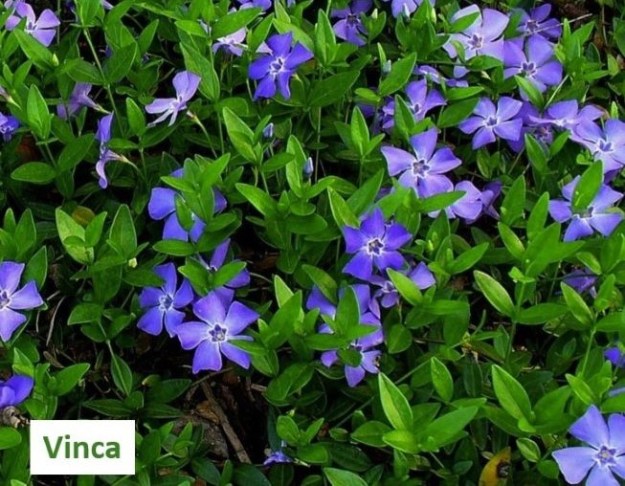
Invasive plants, like all invasive species, are not native to a location and are harmful to the environment or humans there.
It is that second criterion — being harmful — that distinguishes invasive plants from other non-native plants.
Read more about the definition of invasive species and related (but different) terms such as “non-natives” and “weeds.”
Learn more about the types of harm to the environment caused by invasive plants.
Takoma Parkers come to recognize the threat posed by invasives

Bob Gibson writes about his growing awareness: “…many of us in Takoma Park filled our gardens with plants to add beauty and greenery with little or no awareness that many of our choices were … invasive.”

Meg Voorhes explains: “Have you ever wondered why so many invasive plants pervade our yards? Consider my own experience.”
Information on which plants are invasive
See Remove Takoma Park Invasives for profiles on the many invasive plants in our area.
You can also look up species in the following resources to see which plants have been designated “invasive.”
Mid-Atlantic Invaders Tool (MAIT): This online interactive database provides the most complete list of invasive plants, and plants at risk of becoming invasive, in Delaware, District of Columbia, Maryland, New Jersey, Pennsylvania, Virginia, and West Virginia. The list is easily searched, filtered, and downloaded. Basic information and numerous photos are provided for each species.
Maryland Invasive Species Council (MISC): Note that this list does not appear to have been updated since 2019, possibly because the effort has been transferred to maintaining the MAIT tool.
The Invasive Plant Atlas of the United States: This atlas is a collaborative project between the National Park Service, the University of Georgia Center for Invasive Species and Ecosystem Health, the Invasive Plant Atlas of New England and the Lady Bird Johnson Wildflower Center.
Summary of links
Read more about the definition of invasive plants
Learn more about the environmental harm caused by invasive plants
Meg Voorhes blog post
Bob Gibson blog post
Mid-Atlantic Invaders Tool (MAIT)
Maryland Invasive Species Council (MISC)
The Invasive Plant Atlas of the United States
 Friends of Native Trees in Takoma