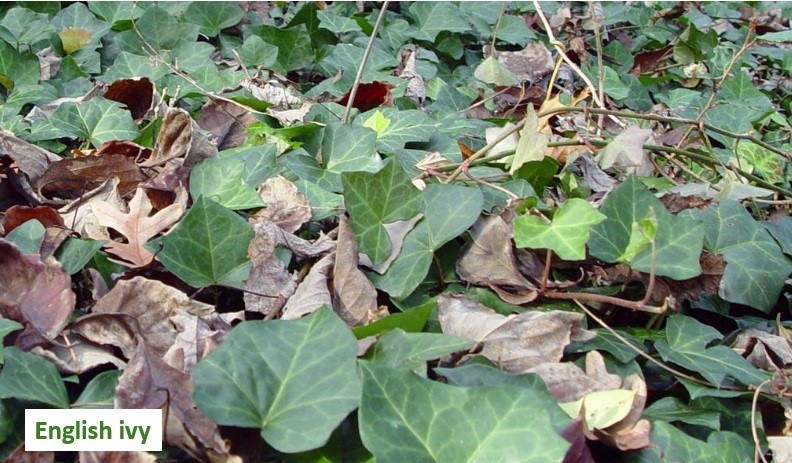
Invasive plants spread from yards to natural growth areas, such as Sligo Creek Park, and do serious harm to the ecology there.
Invasive plants outcompete native plants for light, water, and space in natural growth areas, leading to severe reductions in the numbers of native plants. Some invasives even change the soil so that natives cannot grow. Native animals are in turn harmed because they depend on native plants for food and shelter. In short, invasive plants attack and kill nature.
Invasive plants in your yard contribute to this attack on nature because their seeds are spread by wind, water, birds, etc. into natural growth areas such as Sligo Creek Park and forest patches in Takoma Park.
Clearing invasive plants from your property is a civic responsibility and shows your support for your community and environmental tewardship.
Scroll down to find links to more information on why to remove invasive plants.
A quick guide to removing invasive species and native plants to replace them

University of Maryland Extension
Invasive species are non-native organisms that cause harm to the environment, economy, or human health with damages costing the United States approximately $120 billion every year. Read more...

National Wildlife Fund
Invasive species have significantly contributed to the decline of 42% of threatened and endangered species, making them one of the biggest threats to our local wildlife.
Read more…
Photo by Leslie Mehrhoff, University of Connecticut, Bugwood.org, 5477713

WAMU 88.5 American University Radio
You can still buy porcelain berry in nurseries, along with many other invasive vines, such as English ivy. Planting them at home may seem innocuous, especially if you live far from a park or open space. But birds can carry the seeds far and wide. Read more…
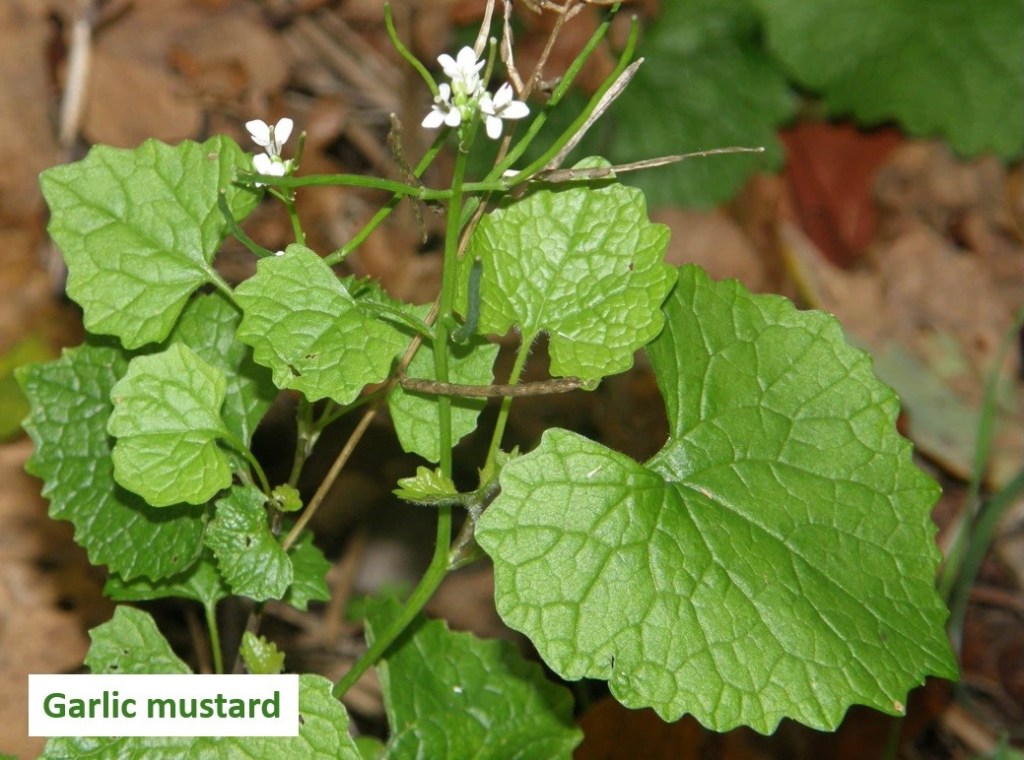
Mid-Atlantic Invaders Tool
Invasives compete with native organisms for limited resources (e.g., light, water, space and food) and degrade habitats. As a result, invasives can reduce populations and cause extinctions of native plants and animals, thereby lessening native biodiversity and ecosystem services essential to life and health. Invasives can also magnify the effects of climate change, including the impacts of erosion, wind, flooding and fires.
Read more…
 Friends of Native Trees in Takoma