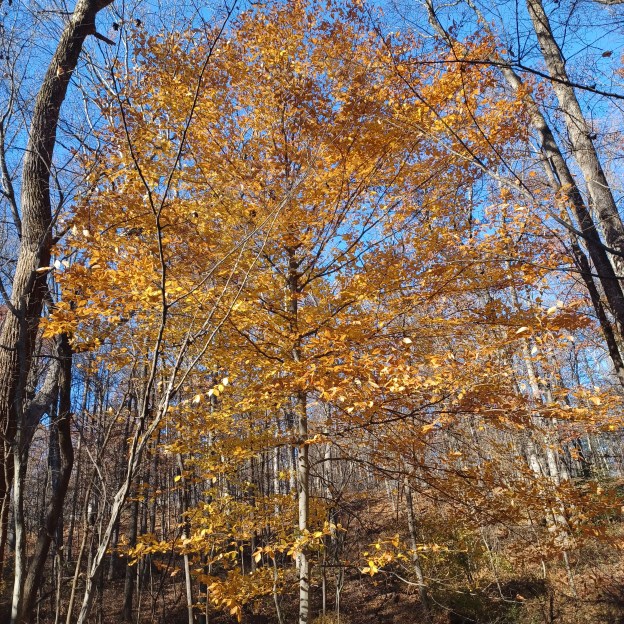
The American beech tree (Fagus grandifolia), one of the loveliest constituents of the woodlands of the eastern United States, is under threat. An invasive foliar nematode—a microscopic worm—has arrived that feeds on beech leaves and can kill mature trees in 6 to 10 years.
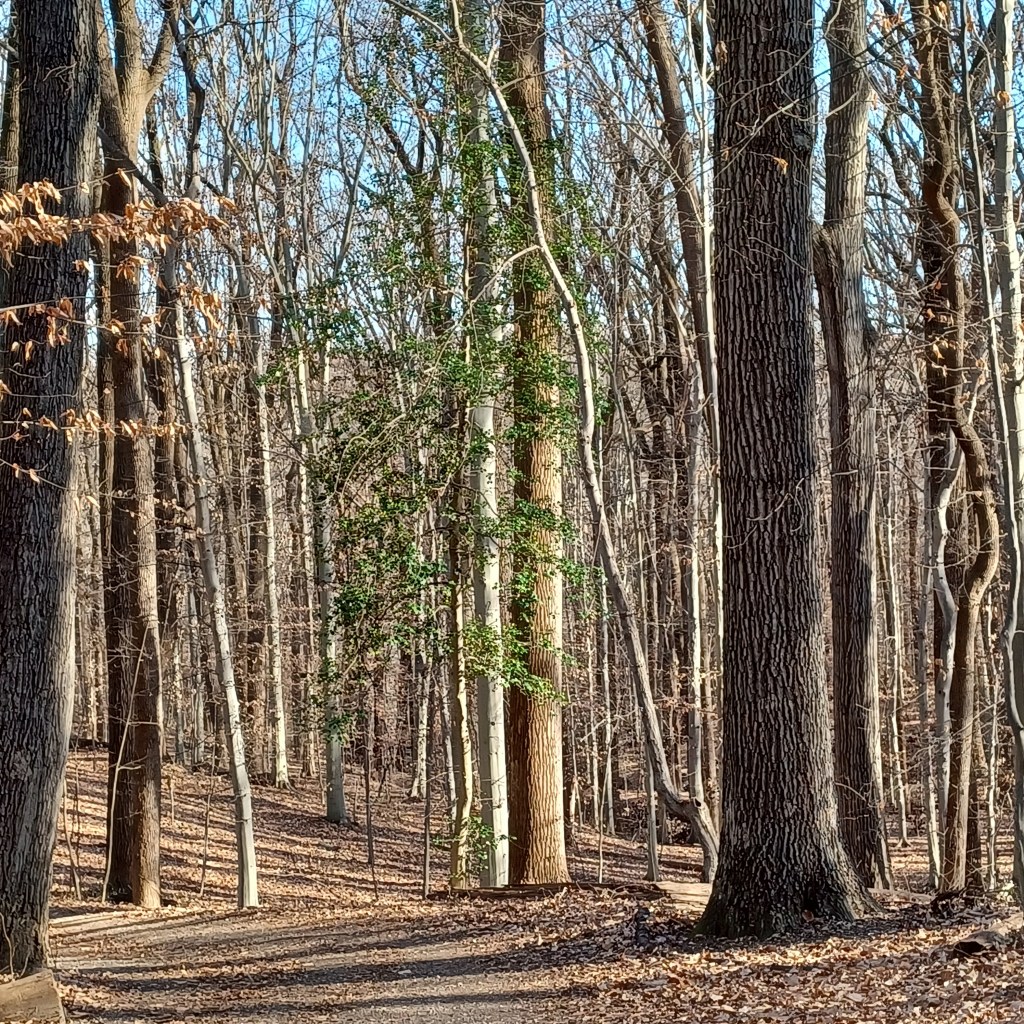
The spread of this nematode, first discovered in Ohio in 2013, alarms forestry experts, who have few options to combat it. The nematode, and the beech leaf disease (BLD) it causes, appeared in Montgomery County in 2024.
American beech is abundant in our area. According to the National Park Service, it accounts for 14 percent of the trees in the seven national parks of the National Capital Region. American beeches are prevalent in the Sligo Creek woods and dot Takoma Park yards.
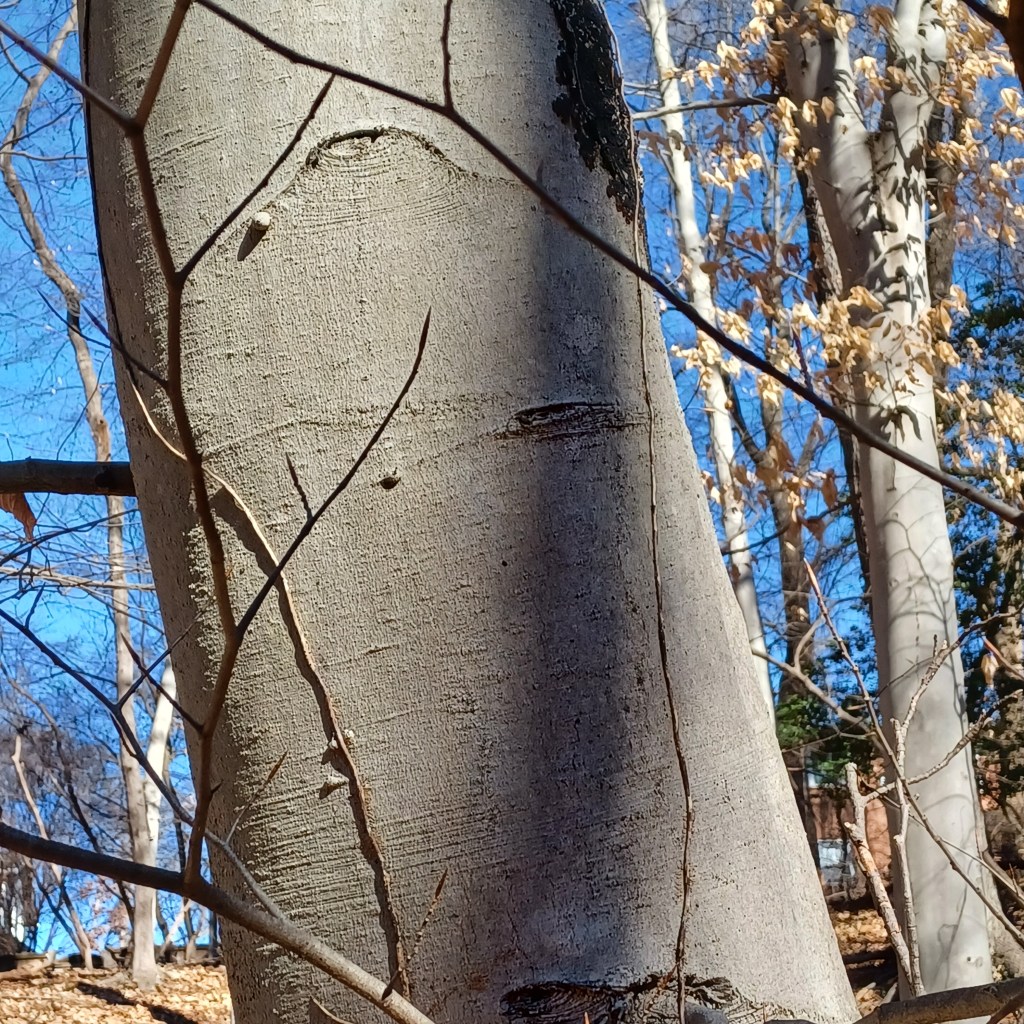
In winter, the beauty of beech trees is especially apparent. Their smooth pale gray bark, so unlike that of oaks, pines and tulip trees, stands out in the deciduous forest.
Moreover, American beeches—like oaks—hold on to last season’s leaves until spring. The leaves fade from golden orange to tan, providing subdued color and texture in the winter landscape. As they ripen and dry, nutritious beechnuts drop for birds, small mammals, and deer to enjoy.
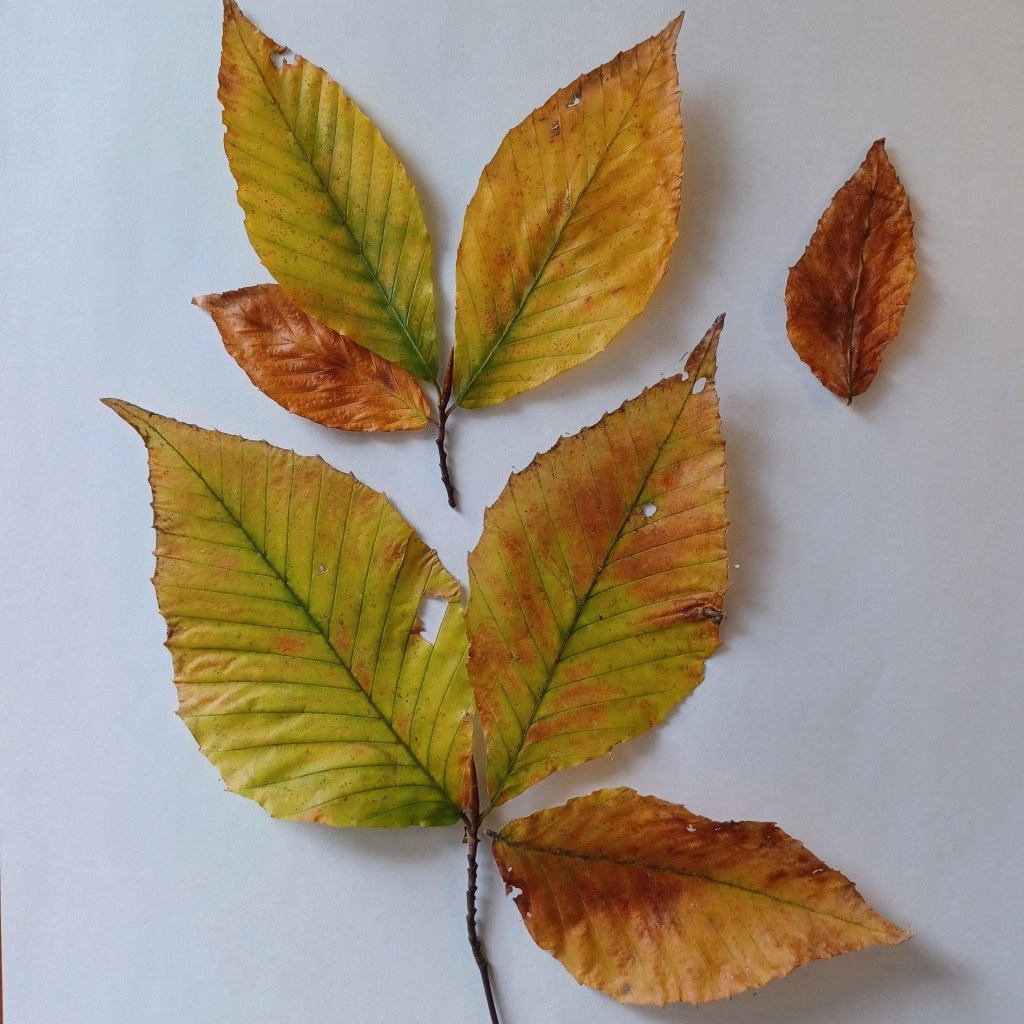
The leaves, when they fall, decompose slowly, protecting the underlying soil from erosion while nourishing an important microhabitat.
Homeowners who wish to help trees resist BLD should first reduce stresses on them from drought or turf competition. Spread mulch over the root zones and provide supplemental watering during droughts.
Should BLD appear, consult a licensed arborist. The arborist may:
- Prune the trees to increase light and air circulation.
- Inject a fertilizer, PolyPhosphite 30, into the soil of the root zone to boost the tree’s immune system.
- Apply fluopyram, a foliar pesticide, in late summer on small to medium trees. This can kill over 90 percent of the nematodes.
- Inject a solution of thiabendazole—historically used to treat Dutch elm disease—in the root flares of medium to large trees. This treatment substantially reduces nematode numbers in dormant leaf buds and prevents leaf dieback.
Unfortunately, these treatments are inappropriate for forest-scale use. The quest to save the American beech continues, one tree at a time.

—Meg Voorhes
Photos by Meg Voorhes
 Friends of Native Trees in Takoma